Thermodynamic Panels + Heat Pump Hot Water for Home Electricity Systems: Benefits for Home Heating
Overview/Introduction
Thermodynamic panels paired with Heat Pumps represent a revolutionary approach to home water and space heating. Unlike conventional heaters that generate heat directly, these systems work by transferring heat from the surrounding environment to your water supply. Operating on the same thermodynamic principles as refrigerators but in reverse, Heat Pumps can achieve efficiency ratings of 300-400%—delivering three to four units of heat energy for every unit of electricity consumed. This remarkable efficiency translates into significant cost savings and environmental benefits, making Thermodynamic Heat Pump systems an increasingly popular choice for environmentally conscious homeowners seeking to reduce both their energy bills and carbon footprint.

Air Source Thermodynamic Panels
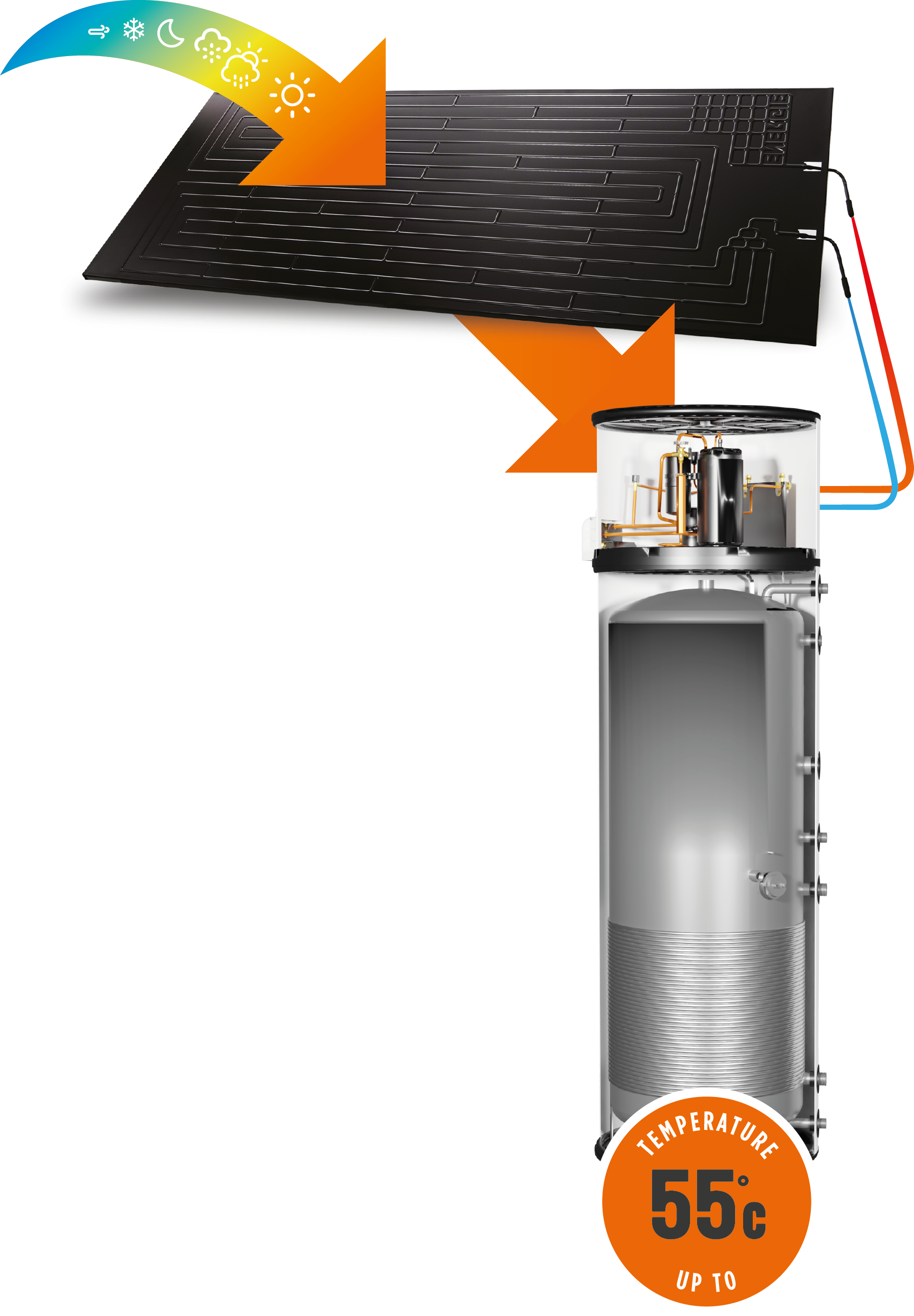
Air source thermodynamic panels extract heat from ambient air and transfer it to your home's water system. These flat, black-coated aluminium panels can be mounted on roofs, walls, or ground stands, and contain refrigerant that circulates through embedded tubes. As the refrigerant evaporates, it absorbs heat from the surrounding air. This heat is then compressed and transferred to your water supply.
What distinguishes these panels from other renewable technologies is their consistent performance regardless of weather conditions. Unlike solar panel (PV) systems that require direct sunlight, thermodynamic panels operate effectively 24/7—even in rain, darkness, or sub-zero temperatures. They typically reduce energy consumption by 60-80% compared to conventional electric water heaters, while requiring minimal space and causing little visual disruption to your property. Installation is relatively straightforward, often allowing integration with existing hot water systems.
Water Cylinders with Integrated Heat Pump
For homes with limited space, water cylinders with integrated Heat Pumps offer an elegant all-in-one solution. These units combine the Heat Pump technology and insulated water storage tank in a single appliance, eliminating the need for external panels. The system extracts heat from the air in the room where it's installed or from ducted outside air, then transfers this heat directly to the stored water.
The primary advantage is installation simplicity—these units often replace existing hot water tanks with minimal modifications to plumbing. Maintenance is streamlined with fewer components, and the systems typically achieve Coefficients of Performance between 3 and 4, representing potential energy savings of up to 75% compared to conventional electric water heaters.
An additional benefit is the cooling and dehumidifying effect on the surrounding space, making these units particularly useful when placed in utility rooms or laundry areas. While the initial investment is higher than traditional water heaters, operational savings and potential government incentives often make them economically attractive over their 15+ year lifespan.
PV Panel Input Option
Combining photovoltaic solar panels with Heat Pump hot water systems creates a powerful synergy that maximises overall efficiency. Modern Heat Pumps can be configured to prioritise electricity from PV panels, switching to grid power only when necessary. This intelligent power management allows homeowners to run their Heat Pumps with self-generated renewable electricity, dramatically reducing operating costs.
This combination effectively addresses one of the challenges of domestic PV systems: utilising excess electricity during peak daylight hours when household demand is typically low. By directing this surplus energy to water heating, the system essentially turns the hot water tank into a thermal battery, storing energy in a form that remains useful for many hours.
Many manufacturers now offer "PV-ready" Heat Pumps with built-in controllers that communicate directly with solar inverters, automatically adjusting power consumption based on available solar output. This integrated approach maximises self-consumption of solar electricity and often qualifies for additional incentives beyond those available for either technology individually.
Clean Energy
The environmental benefits of thermodynamic panel + Heat Pump systems are substantial. Their exceptional efficiency drastically reduces the primary energy required for water heating, which typically accounts for 15-20% of household energy consumption. When compared to conventional electric water heaters, Heat Pumps can reduce associated carbon emissions by up to 70%, even when powered by standard grid electricity.
Unlike combustion-based heating systems, Heat Pumps produce no local emissions or air pollutants, contributing to improved indoor and outdoor air quality. Modern systems increasingly use environmentally friendly refrigerants with low global warming potential, such as natural refrigerants or next-generation synthetic alternatives.
From a lifecycle perspective, these systems demonstrate favourable environmental profiles due to their durability and recyclability. As electrical grids incorporate higher percentages of renewable generation, the environmental benefits of existing Heat Pump installations automatically increase without requiring modifications.
Energy Security
Heat Pump systems enhance household energy security by reducing dependency on imported energy sources. By extracting heat from the unlimited and universally available ambient environment, these systems provide insulation against the price volatility common in fossil fuel markets. When paired with domestic electricity generation such as rooftop thermodynamic panels or solar, they can offer near-complete energy independence for hot water production.
The longevity and reliability of Heat Pump technology—typically 15-20 years with proper maintenance—ensures consistent performance with minimal intervention. Some advanced systems incorporate smart controls that adjust operation based on electricity prices in areas with time-of-use billing, further optimising operating costs.
From a broader perspective, widespread adoption contributes to national energy security by reducing overall demand for imported energy resources. As climate change impacts weather patterns and potentially stresses energy infrastructure, the resilience offered by these distributed, efficient technologies becomes increasingly valuable.
Conclusion
Thermodynamic Panel + Heat Pump systems represent a significant advance in home energy technology, offering remarkable efficiency, versatility, and environmental benefits. Whether through external panels, space-saving integrated cylinders, or hybrid systems leveraging PV electricity, these systems provide solutions suitable for nearly every household situation.
The initial investment is often lower than conventional alternatives. With substantial operational savings set against rising energy costs for conventional fuels, the long-term economic benefits are obvious. For homeowners considering their next water heating system, Thermodynamic Panels driving Heat Pumps integrated with Water Cylinders offer an opportunity to reduce costs, decrease environmental impact, and enhance energy security simultaneously—a rare combination of benefits that positions this technology at the forefront of sustainable home energy solutions.