21 Aug 2026
Integrating Solar, Battery, Heat Pumps and Electric Smart Radiators
Strategic Decarbonisation: Integrating Solar PV, Battery Storage, Heat Pumps, and Electric Smart Radiators
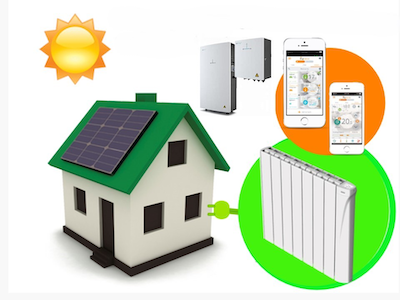
Achieving Net Zero across the UK’s existing housing stock remains one of the most formidable challenges in domestic energy retrofitting. With over 80% of UK homes relying on fossil-fuel central heating and only around 1.4% currently utilizing heat pumps, achieving decarbonisation requires a flexible approach that avoids invasive structural overhauls.
Core System Architecture
An optimized, low-carbon property integrates generation, high-density storage, and targeted heat emitters into a single unified ecosystem:
- Solar PV & Battery Energy Storage Systems (BESS): Local generation paired with high-capacity storage captures zero-carbon solar power, shifting energy consumption away from peak-rate electricity grid windows.
- Heat Pump & Domestic Hot Water (DHW): Advanced Air Source Heat Pumps (ASHPs) and Solar-Assisted Heat Pumps (SAHPs) deliver highly efficient, low-temperature baseline space heating and high-efficiency hot water generation.
- Electric Smart Radiators: Installed in hard-to-pipe spaces, guest rooms, or extensions, modern Lot 20-compliant electric radiators feature thermodynamic fluids or dry-stone cores. They provide high-response zonal topping heat without requiring plumbing extensions.
- Building Management Systems (BMS) & IoT: AI-driven BMS platforms utilize predictive algorithms to link heat pumps, smart radiators, and battery storage. They monitor dynamic weather data and occupant habits to balance heat demand in real time.
Key Operational Benefits
Combining continuous baseline heat pump output with on-demand Electric Smart Radiators yields significant operational efficiencies:
- Optimized COP & Rapid Response: Heat pumps run most efficiently (achieving seasonal performance ratios of 2.7 to 3.5) when maintaining low baseline temperatures. Electric Smart Radiators handle peak thermal demand in specific rooms instantly, preventing the heat pump from running inefficiently at high flow temperatures.
- Targeted Dynamic Tariff Savings: Shifting total electrical load to off-peak grid periods—where dynamic tariffs drop as low as £0.06/kWh—allows batteries to power both the heat pump and smart radiators during expensive evening peak times.
- Elimination of Thermal Waste: IoT-enabled smart radiators use self-learning presence detection and open-window sensors to prevent unoccupied rooms from consuming energy, eliminating whole-house heating waste.
Implementation & Scalability
Deploying a hybrid heat pump and smart radiator strategy offers a practical upgrade path for both individual homes and complex residential portfolios:
- Modular & Non-Invasive Retrofits: Replacing central pipework in older properties is often cost-prohibitive. Installing electric smart radiators in secondary zones alongside a downsized heat pump drastically reduces capital expenditure and installation disruption.
- API-Driven System Control: Modern heating hardware communicates via open APIs, allowing cloud BMS platforms to orchestrate power allocation between heat pumps, smart radiators, and solar inverters automatically.
- Proven Carbon Mitigation: Deployments across hard-to-decarbonize housing prove that combining high-efficiency thermal generation with intelligent zonal electric heating lowers total grid draw while ensuring occupant comfort.